
It’s one of those things you never want to wake up to — water dripping from the ceiling, a musty smell creeping in, and that sinking feeling when you spot a dark patch above your head. Sydney’s weather isn’t forgiving, and ignoring the problem can quickly turn a small leak into a full-blown headache. What’s often missing from the average conversation about leaks is real, practical insight on prevention and long-term fixes. If you’re on the hunt for the best roof leak solutions, the difference is always in the approach: patch jobs only ever hold for so long, but a tailored repair done properly can save you cash, stress, and time down the track. The trick is getting ahead of it before it gets worse.
Knowing when leaks start
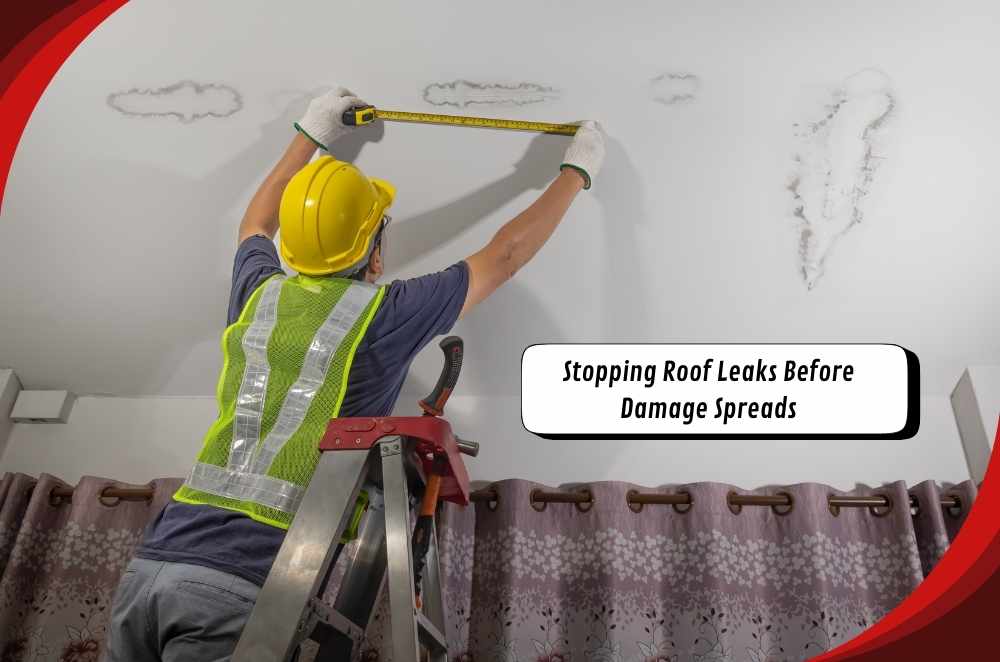
Spotting a problem early makes all the difference. For many homeowners, the signs are subtle, a faint stain, a swollen skirting board, or a sudden musty smell after heavy rain. That’s when you need to be proactive, not reactive. If you’re after specifics on how this plays out locally, handling Sydney’s worst leaks gives you the context and red flags to keep on your radar.
• Damp spots are often a warning
• Guttering overflow can signal a blockage
• Roof valleys are the most common culprit
• Ignoring leaks only compounds the cost
DIY repairs vs professional help
Not every leak means you need to fork out for a professional. Sometimes, cleaning gutters or replacing a cracked tile will do the trick. But as tempting as it is to slap on a bit of sealant and cross your fingers, there’s a point where you’re just delaying the inevitable. Experience counts for a lot here — someone who knows the difference between cosmetic damage and structural risk can spot issues before they spiral.
• DIY works for minor, accessible leaks
• Professionals are a must for persistent issues
• Inspections often uncover hidden damage
• Long-term fixes usually save money
Why prevention always pays off
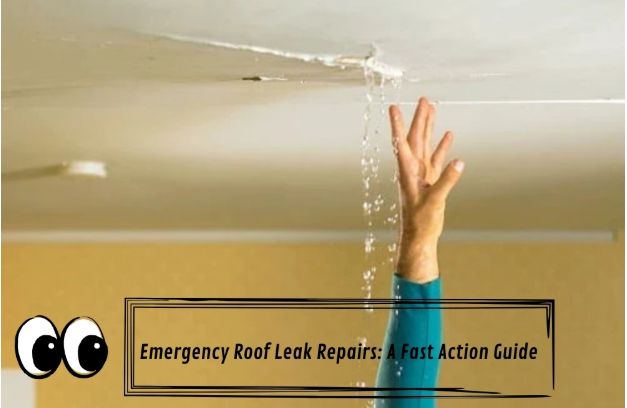
Here’s the kicker: even a small, slow leak can lead to major headaches — think warped framing, mould, or even electrical risks. Regular maintenance is the unsung hero of a dry, safe home. A solid plan includes checking your flashing, making sure guttering is clear, and getting a proper inspection after big storms. If you want real-life tips and a hands-on approach, look at the sort of emergency roof leak repair tips that industry insiders swear by.











Write a comment ...