
If you’re looking after a child with disability, you don’t really need someone explaining “tired” to you, do you? There’s regular tired—then there’s what creeps in after months, years, of broken sleep, unpredictable routines, appointments you can’t get out of, and the constant mental tally of “what’s next.” I once heard a mum say, “It’s not the physical stuff, it’s that you never clock off.” And honestly? She nailed it. That’s when you start quietly hoping there’s a smarter way to keep going, instead of just hanging on.
For lots of families, disability respite care isn’t just a lifeline—it’s sometimes the only reason the wheels keep turning at home. The real version, not just on paper, shows up as flexibility, little moments of calm, and maybe even a bit of breathing space for everyone. If you’ve ever wanted to see what genuine support actually looks like, have a squiz at what’s offered locally. There are some good ones.
What is respite care, and why does it matter for families of children with disability?
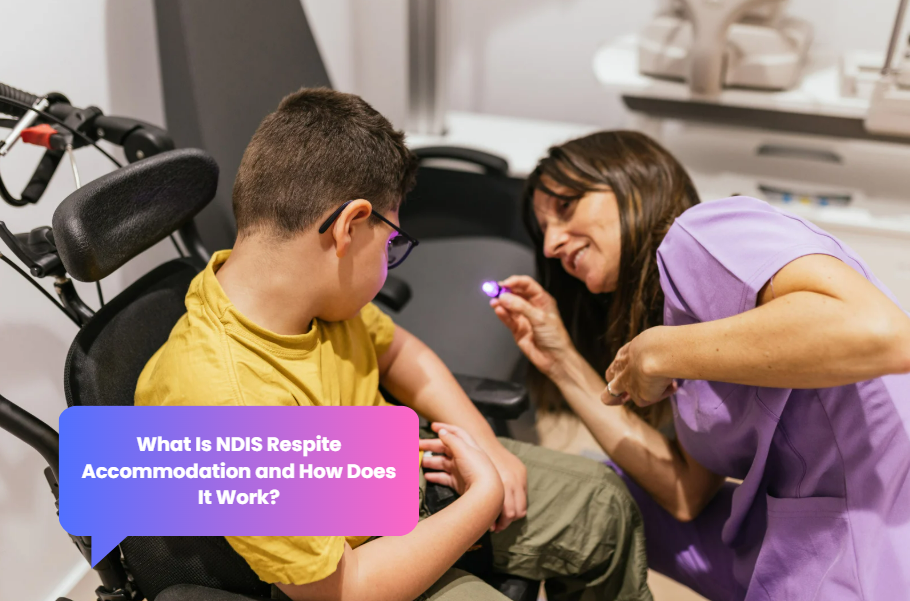
Honestly, respite care is the practical, planned break that gives parents and carers enough breathing room to keep going—sometimes that’s all you need to stay in the game. It isn’t about stepping away from your child; it’s about making sure you can step back in, actually present.
People get it twisted. It’s not an “out.” It’s time to reset, sort something urgent, or just feel human for a bit. You might book it well in advance, or it might happen because life throws you a curveball and suddenly you’re scrambling for help. Either way, it’s about keeping everyone standing.
If you’re after the plain facts, the Australian Government has a straightforward take on what respite is that’s worth a look, especially if you’re sick of secondhand opinions.
What are the different ways respite care can be delivered for children with disability?
There’s more than one way to make respite work, which is lucky, because no two families are the same. Whether you start small or dive right in depends on what your kid can handle and what sort of break you actually need. Nobody’s keeping score; just do what fits.
In-home respite: Someone reliable rocks up to your house, keeps routines ticking. You can duck out, catch up on life, or even just nap.
Centre-based or community respite: Some kids thrive in a group, so structured activities and social time are a win.
Short-term residential stays: This one’s great for longer breaks—think holidays, or a proper reset, overnight and all.
Emergency respite: Because life doesn’t care about your plans. If something goes sideways, you want backup.
Some families start at home, build trust, then try centre-based. The right move is what feels right for your crew, not the textbook answer.
What does quality respite support really look like in practice?

If you’ve ever left your child with someone new, you know that knot in your gut. Good respite care untangles it, slowly. It means your child is with people who “get it”—not just the disability, but their quirks, comforts, and things they hate. You should be able to relax, even if it takes a while.
The better providers? They:
Ask questions. Loads of them. About your kid’s likes, routines, and what helps them settle down.
Send the right people—qualified, not just “good with kids.”
Don’t leave you guessing; they’ll check in, let you know how it went, and fix what’s not working.
Actually care about your child’s comfort, not just the paperwork.
The first handover is usually rough. But when you find a place or a person who “gets it,” you notice—you start to look forward to the next one.
How does respite care fit into your NDIS funding?
For most families, if you’re on the NDIS, Short Term Respite (STR) is probably in your Core Supports. That means you don’t have to jump through hoops or ask for something special—just use what’s there.
Up to 28 days a year, sometimes more, split up however you need.
It’s not just a bed—funding covers support, food, group stuff, sometimes more.
Talk to your planner, spell out exactly why you need breaks. The clearer you are, the easier it gets included.
Sort it out before you hit the breaking point. Too many leave it too late, then wish they’d asked earlier.
How can you make respite work for your family?
You make it work by starting small, being blunt about what you need, and not treating a break like a crime. Carer guilt is real, but it won’t keep you running.
Trial a short stay first, then stretch out.
After each break, debrief. What clicked? What made you nervous? Use it for next time.
Don’t “soldier on” till you burn out. Seriously, don’t.
Tell your child (in whatever way works for them) what’s happening and why.
Eventually, you stop second-guessing yourself. Respite becomes routine—normal, even.
Where can you find the right information and what’s next?
Start by checking your NDIS plan and talking openly with your support coordinator about respite options. For practical tips, read our blog on short-term respite care and look up external guides on respite services .
Why is taking respite a responsible, healthy choice for families?

Because you can’t run on empty. Taking respite is how you show up, day after day, still in one piece. That’s the bit outsiders don’t see.
It’s not weak. It’s not lazy. It’s looking after your family by looking after yourself, and it’s how families make it for the long haul. If you’re ever unsure or want reassurance from people who’ve done it before, reading about other carers’ experiences with respite services for carers can be a reminder that seeking support is a sign of strength, not failure.
Conclusion
Taking a break through respite care isn’t a sign of weakness, it’s a step toward sustainable, healthy caregiving. Families caring for children with disability carry an enormous load, and regular respite is what helps keep that load bearable. By planning, staying honest about your needs, and embracing trusted support, you give yourself and your child the best chance to thrive. Remember, real support is about making room for rest, not running on empty. If you’ve hesitated to use respite, know that taking care of yourself is one of the best ways to care for those you love.










Write a comment ...